Properties for Sale in Corfu
Find your ideal property


Corfu is bigger and more varied than most buyers expect. We list property across the whole island, and most people spend far longer deciding which part of it to look in than they spend choosing the house itself.
There are five areas, and they are not versions of each other. Different stock, different buyers, different reasons to be there.
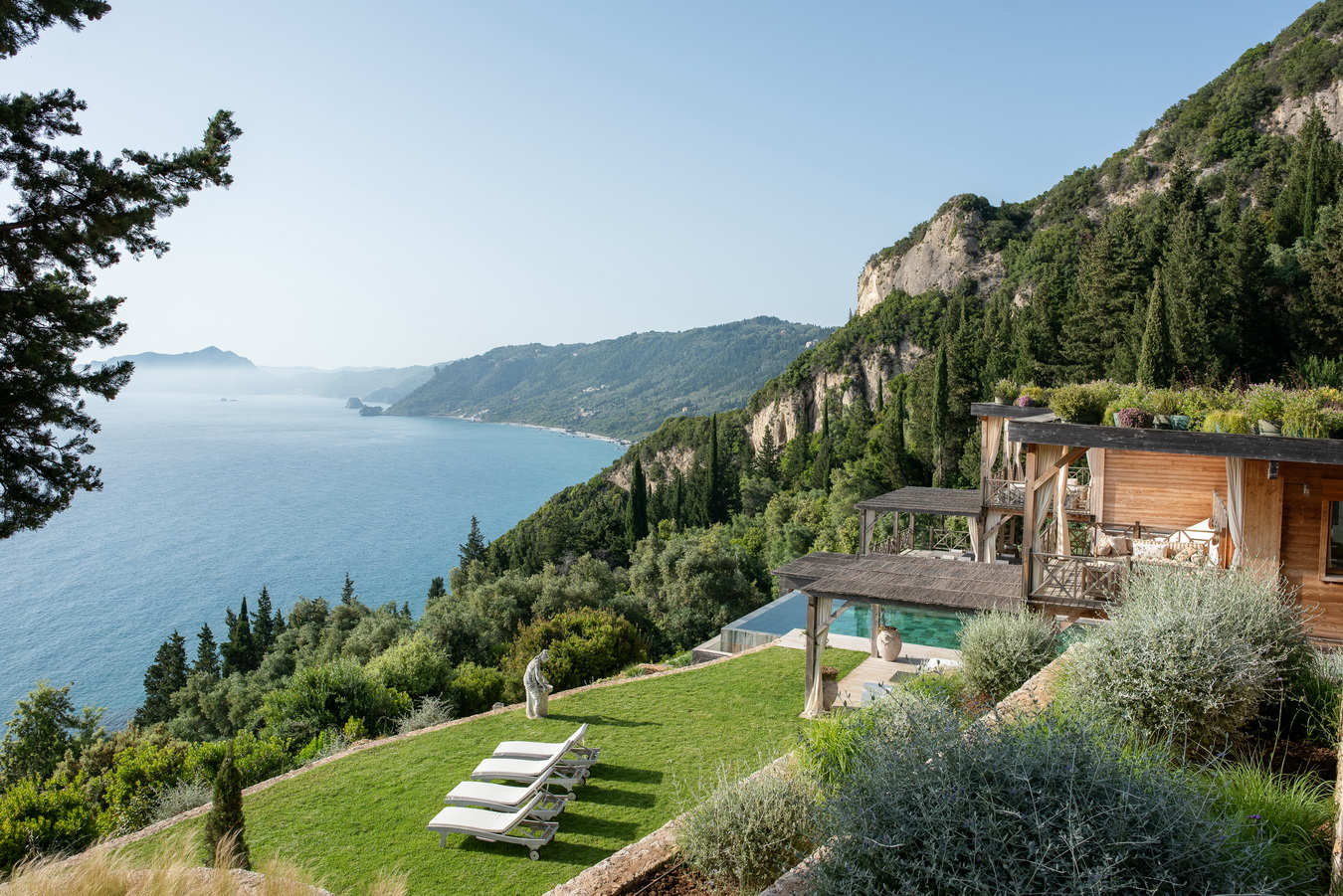
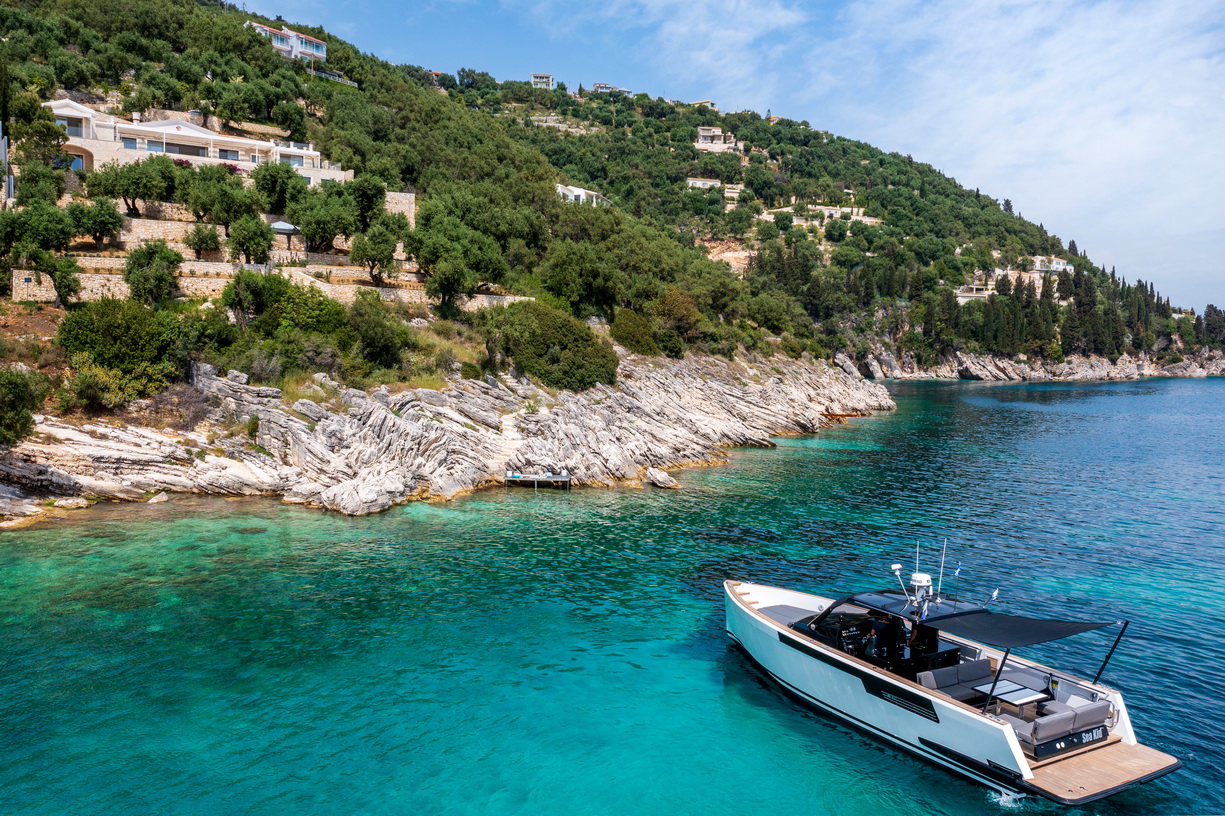
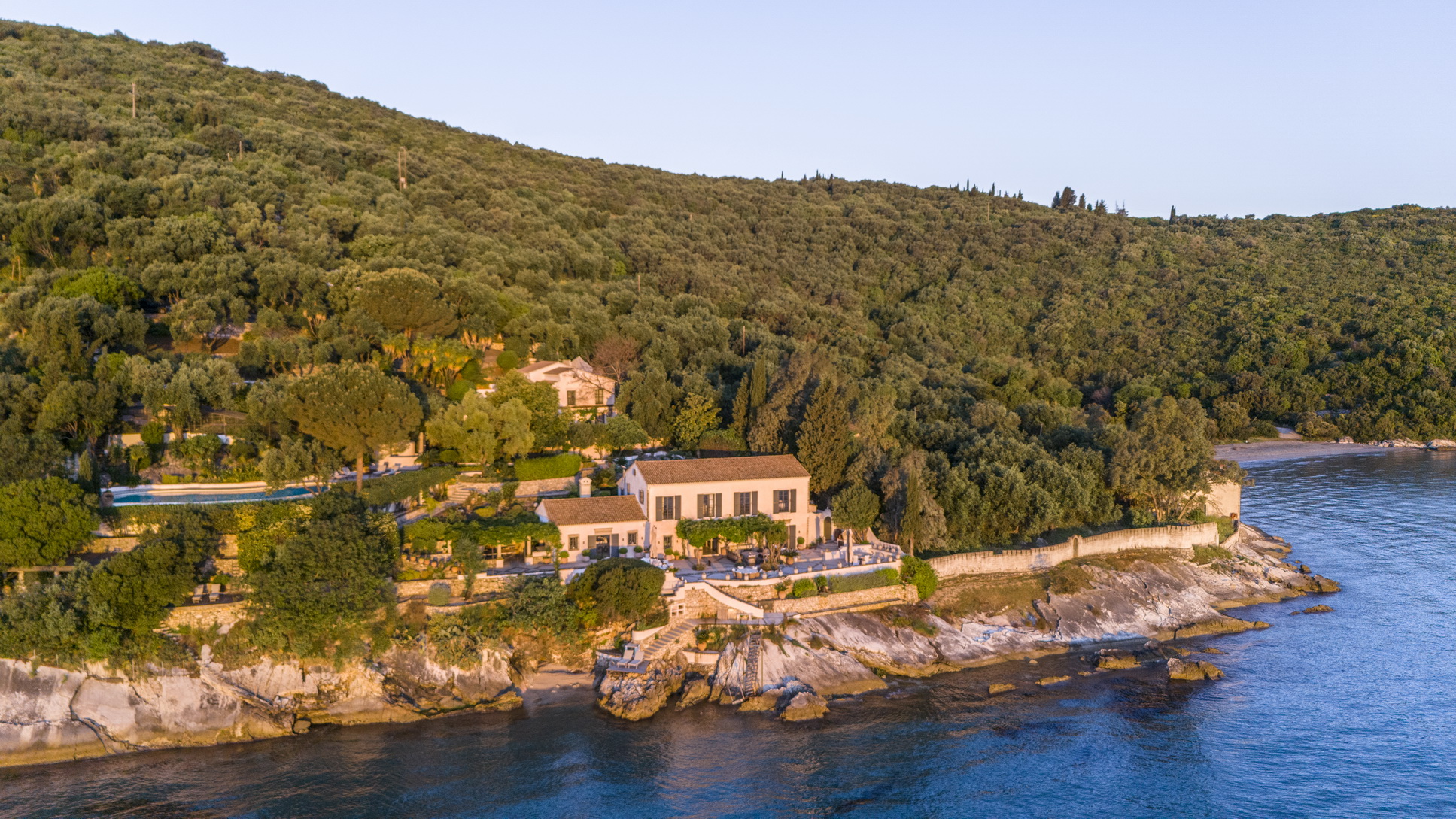
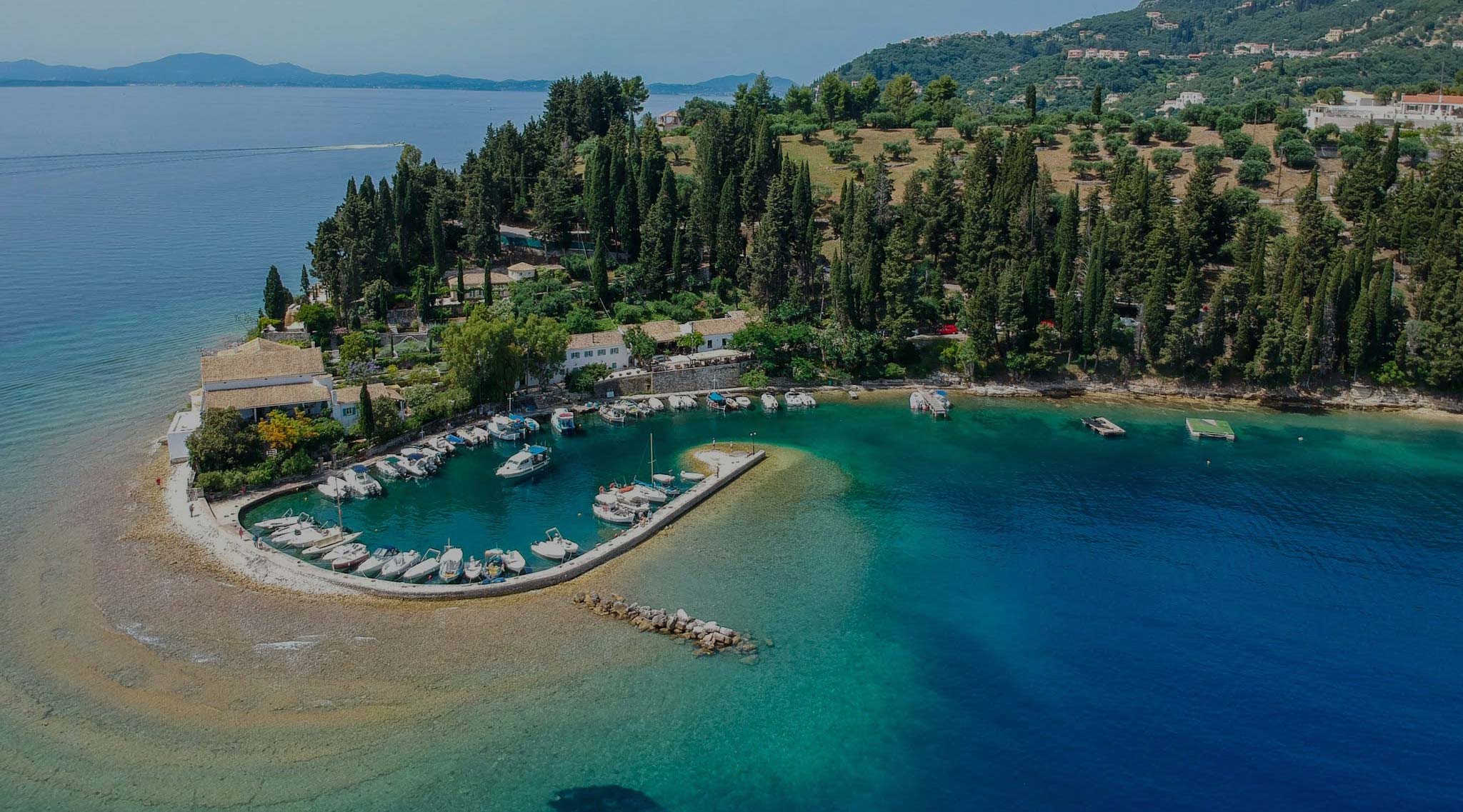
The North East is where our market runs deepest, holding the largest share of our listings by a wide margin. People have called it 'Kensington-on-sea' for years. The mountains drop steeply into the sea here and the coast breaks up into small bays like Kalami, Agni, Kerasia and Kouloura, with the Albanian mainland sitting close enough across the water to feel like part of the view. This is the island's longest established international community, and because so much changes hands here, its most active resale market.
Best for: an established address, proven summer rental demand, and the widest choice of finished villas on the island.
Central Corfu is the practical choice, and reliably our second deepest area. It reaches from one coast to the other, so you can face the sunrise over the mainland or the sunset over the Adriatic, and it puts the airport, the port and Corfu Town within a short drive. The Ropa Valley and the golf course sit inland. The marina and the resort strip run along the east coast.
Best for: year-round living instead of a summer house, and for anyone who will be flying in and out of the island often.
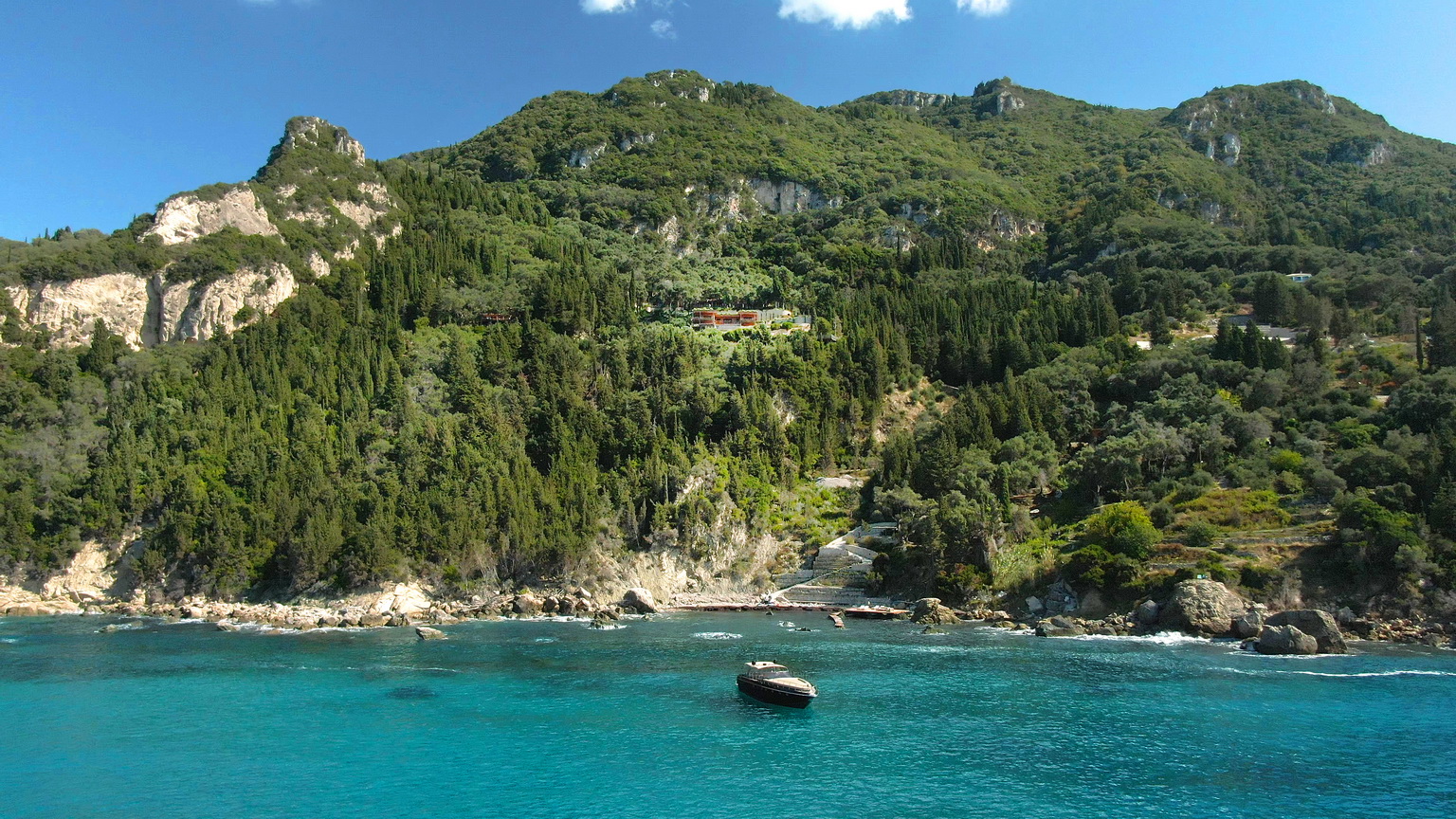
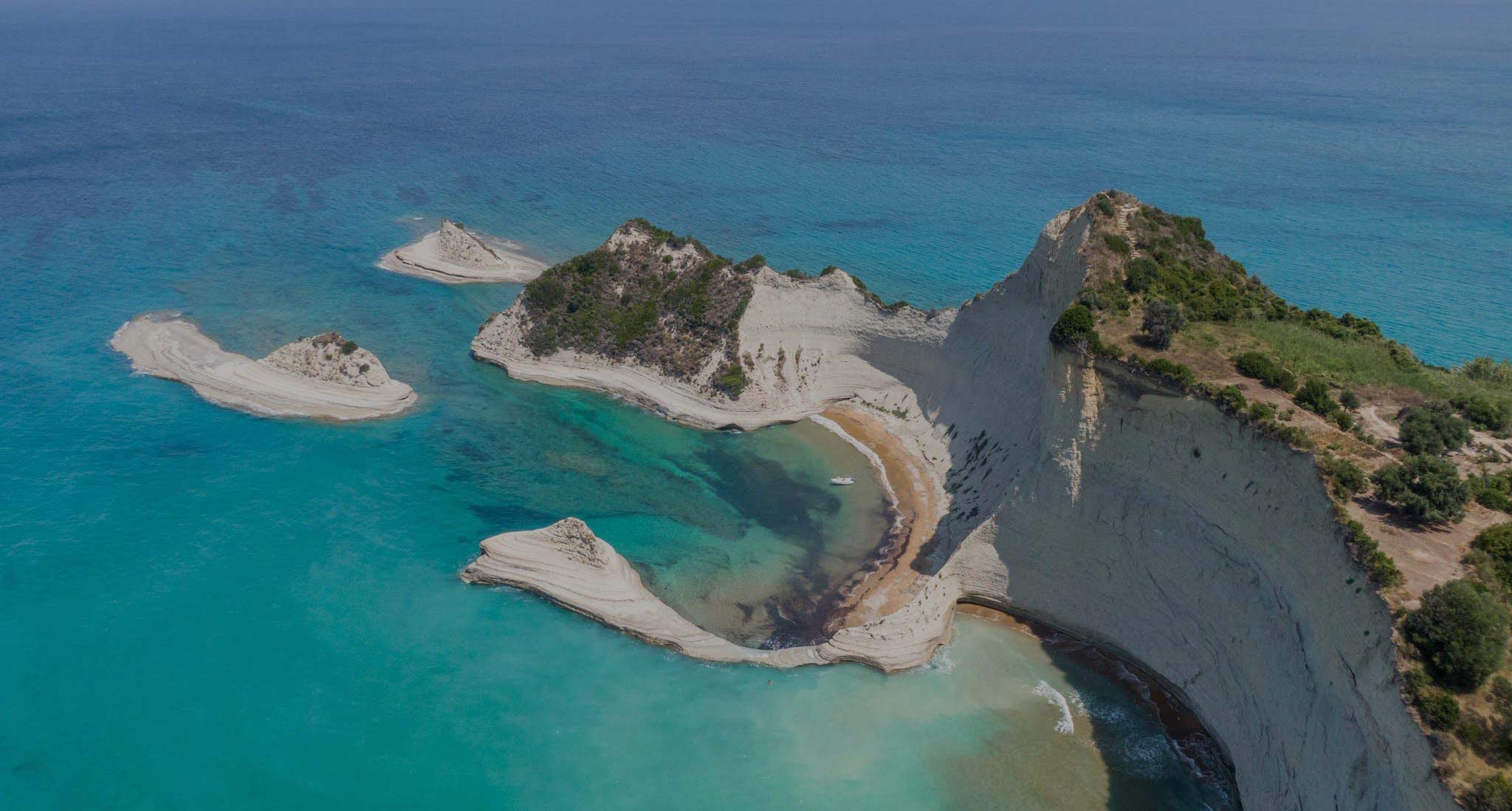
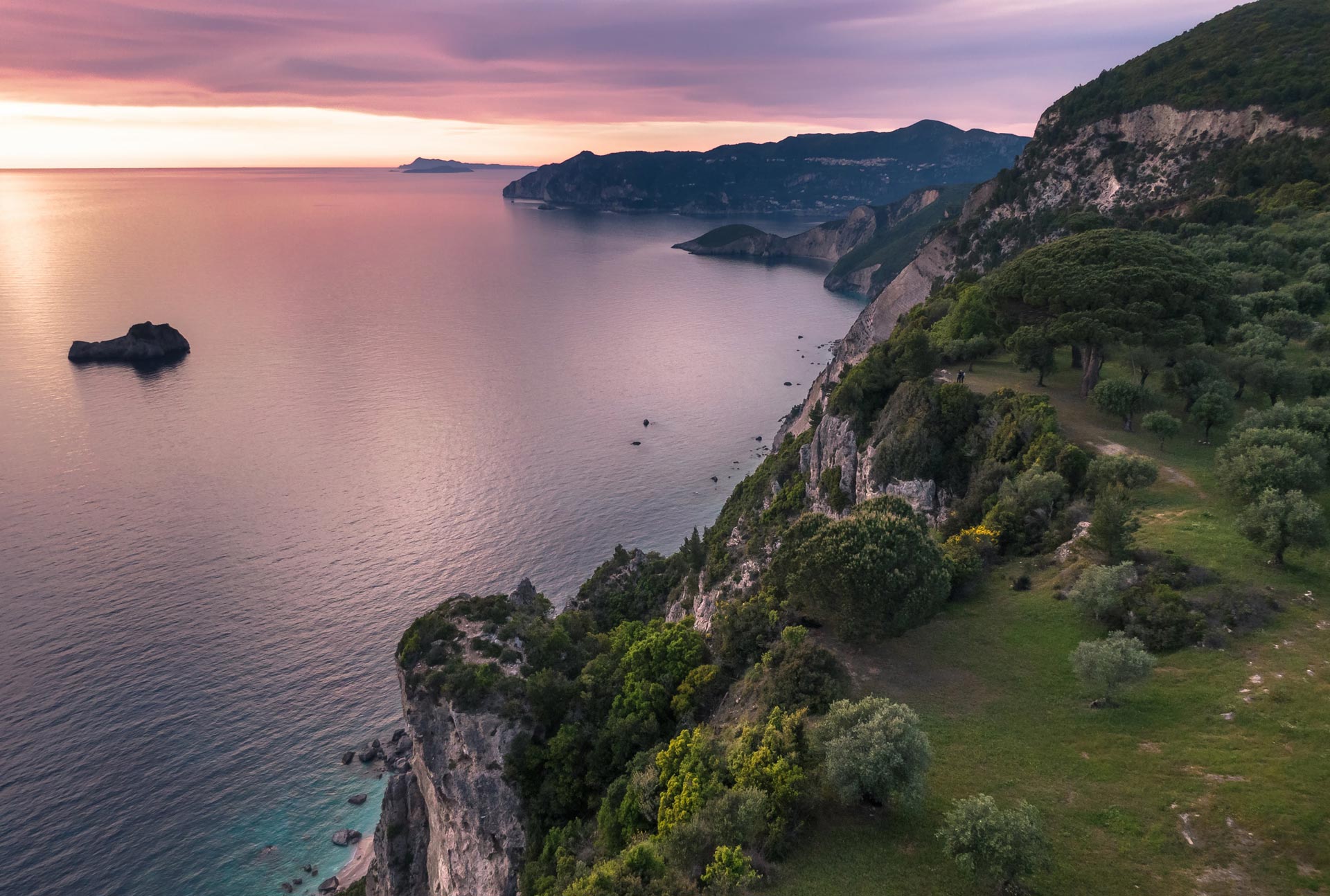
The North West is the island's dramatic side. Cliffs, long golden beaches, and the sunsets that made Peroulades and Arillas famous. It is quieter than the north east and a good deal less built up, with a wilder coastline.
Best for: landscape and space, and for a holiday property somewhere that still feels undiscovered outside high season.
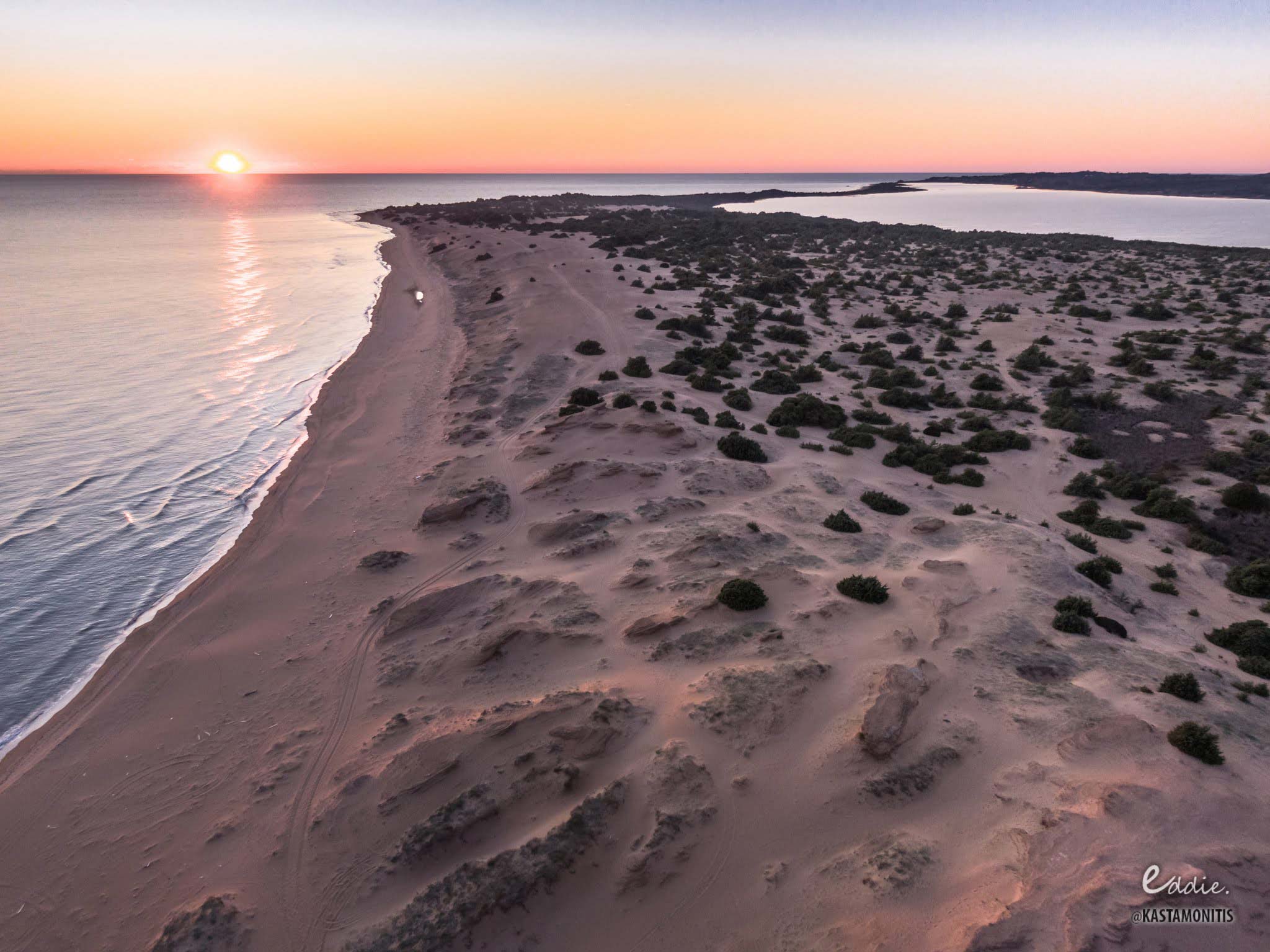
The South is the island's quiet end. Flatter, still largely agricultural, with fishing villages like Boukari and Benitses, Lake Korission, and Lefkimi, the island's second town, which has its own working ferry port to the mainland.
Best for: land, privacy and a slower pace, well away from the resort strips.
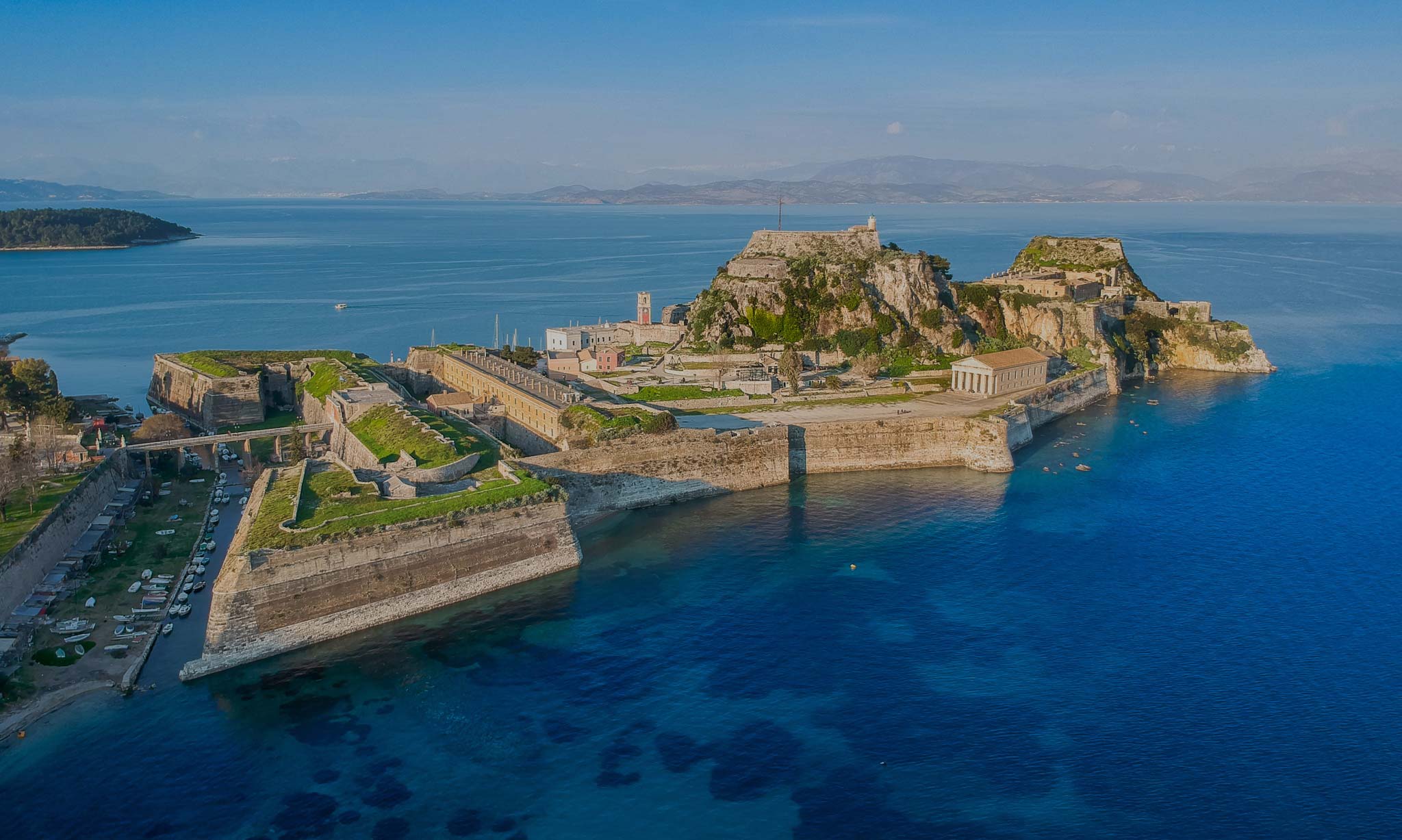
Corfu Town is a different proposition altogether. A Venetian city with two fortresses, the Liston arcade, and centuries of architecture that people still live in rather than queue to look at. Stock here leans towards apartments and restoration projects instead of villas with land.
Best for: a city property with an airport and a port attached, and one that can let across more of the year than a beach house will.
This choice cuts across all five areas, and plenty of buyers only notice it once they have arrived. The east coast looks over the sea towards the Greek and Albanian mainland. The water is calmer there and the light comes in the morning. The west coast faces open sea, the cliffs and beaches are bigger, and the evening sun does the work. Both are good. They are simply not the same purchase, and a terrace built around sunrise will never be a terrace built around sunset, so it helps to know which one you are after before you start shortlisting.
Plots make up a large part of what we list, and building your own place on Corfu is an ordinary route here, not an unusual one. If you are thinking that way, we run a full construction service: finding a plot that matches your location, size and view requirements, then managing the build. We also handle renovations, extensions, and pool or garage projects on properties that are already standing.
Two things matter more than anything else before you commit to a piece of land. Building permission and legal access. Corfu has a lot of coastline and a number of protected zones, and property inside them can carry specific planning requirements covering what you may build and what you may change later. Both are easy enough to check in advance. Both are expensive to discover afterwards.
The questions we field before a viewing tend to be the same handful. Full answers are on our FAQ page:
Our guide to buying property in Corfu as a foreign national covers the legal process from start to finish, including documentation, what the notary does, title searches and residency rules.
Buying is only the start of it. Our property management service handles the practical side of owning a house at a distance: getting electricity, water and internet connected, arranging insurance, furnishing, and keeping on top of maintenance while you are elsewhere. If you want to let the place when you are not using it, we manage holiday rentals too.
There is more background in our Insights & Articles hub, which covers the investment case for Corfu, the luxury end of the market, and what living here is actually like across a full year and not just in August.
Browse the full list below, or filter by area and property type. If you already have a rough idea of where on the island you want to be, tell us what you are looking for and we will send you what is worth seeing.